

Lead GHG verifier training
GHG accounting and carbon reporting training (Scopes 1–3)
From the standards and the gases to the verification opinion.
18 hours of modules and 3 hours of case studies, in sessions of three hours.
Timed exercises in every module, with a student answer book.
CO2, CH4, N2O, HFCs, PFCs, SF6 and NF3, each calculated on its own.
All prices on this page apply to remote, online training. On-site training at your location and off-site training in Japan are priced higher and quoted on request.
Training price
Transparent pricing for remote training, with options for certification and other formats.
Examination and certification are optional and carry an additional fee.
On-site and off-site training are quotation-based and available on request.
About this training program
This program builds the capability to calculate, report, and verify the greenhouse gas inventory of an organisation across Scope 1, Scope 2, and Scope 3, for all seven greenhouse gases and gas groups.
Participants first build the inventory themselves: boundaries and base year, activity data and emission factors, combustion, fugitive and process emissions, purchased energy, and the value chain. Every method comes with its formula, a worked example, and a timed exercise, with the mass of each gas calculated first and the conversion to CO2e last.
They then take the position of the lead verifier: agreeing the level of assurance and materiality, assessing the risk of misstatement, planning and gathering evidence, evaluating misstatements, and choosing the form of the opinion.
Twelve modules run across 18 hours, in six sessions of three hours. A seventh session of three hours works three complete case studies, in oil and gas, chemicals, and cement.
This program works at the level of the organisation. If your work is product carbon footprints, the Scope 3 emissions and product carbon footprint program is the closer fit.
What the program covers
GHG accounting and the standards
- GHG Protocol Corporate Standard, Scope 2 Guidance, and Scope 3 Standard
- ISO 14064-1 for the inventory and ISO 14064-3 for verification
- The status of the standards in November 2026, including ISO 14064-5:2026
All seven greenhouse gases
- CO2, CH4, N2O, HFCs, PFCs, SF6, and NF3, each in its own column
- GWP values of the IPCC Sixth Assessment Report, with the two values for methane
- Conversion to CO2e, refrigerant blends, and the effect of the GWP set
Data and emission factors
- Activity data, evidence, and fuel consumed from purchases and stocks
- Emission factor tiers and the unit chain from fuel to gas
- Data quality and the GHG information system
Scope 1 calculations
- Stationary and mobile combustion, with CO2, CH4, and N2O
- Fugitive emissions: mass balances for refrigerants and SF6, venting, and flaring
- Process emissions: cement, hydrogen, nitric acid, aluminium, and electronics
Scope 2 calculations
- Location-based and market-based methods, reported side by side
- Contractual instruments, their quality criteria, and the residual mix
- Purchased steam, heat, and cooling, and grid losses
Scope 3 calculations
- The 15 categories and how to screen them
- Supplier-specific, hybrid, average-data, and spend-based methods
- Use of sold products, calculated gas by gas
The inventory and the GHG report
- One table with sources in the rows and gases in the columns
- Uncertainty of a source and of the total
- Base year recalculation and the content of the report under ISO 14064-1
Verification
- Level of assurance, materiality, and the risk of misstatement
- Evidence-gathering plan, sampling, recalculation, tracing, and retracing
- Evaluation of misstatements and the form of the opinion
Module structure
-
GHG accounting, standards, and what is changing
- Inventory, product carbon footprint, and verification
- The standards map, the scopes, and the ISO categories
- The status of the standards in 2026
-
All gases, GWP, and CO2e maths
- The seven gases and gas groups
- The CO2e formula and the two values for methane
- Refrigerant blends and the choice of GWP set
-
Organisational and reporting boundaries, and the base year
- Equity share, financial control, and operational control
- Leased assets and the reporting boundary
- The base year and when to recalculate it
-
Activity data, emission factors, units, and data quality
- The basic equation and the three ways to quantify
- Emission factor tiers and default factors
- The unit chain, net and gross calorific value, and data quality
-
Scope 1: stationary combustion
- Natural gas, diesel, coal, and biomass, each with CO2, CH4, and N2O
- Fuel gas with a known composition
- Plants that sell heat and power
-
Scope 1: mobile combustion
- Fuel-based and distance-based methods
- Default factors for road transport
- Biofuel blends and what a verifier finds in fleets
-
Scope 1: fugitive emissions
- Refrigerants: mass balance, top-up, and screening methods
- SF6 in electrical equipment
- Methane from leaks, venting, and flaring
-
Scope 1: process emissions
- Cement: CO2 from calcination
- Hydrogen and methanol: the carbon balance
- Nitric acid N2O, aluminium PFCs, and NF3 in electronics
-
Scope 2: purchased electricity, steam, heat, and cooling
- Location-based and market-based calculations
- Contractual instruments and the residual mix
- Steam, heat, cooling, and transmission and distribution losses
-
Scope 3: the value chain
- The 15 categories, screening, and minimum boundaries
- The four calculation methods, worked on purchased goods
- Transport, waste, travel, use of sold products, end of life, and investments
- Double counting inside Scope 3 and with the other scopes
-
The inventory: consolidation, uncertainty, and the GHG report
- The inventory table for all gases and scopes
- Uncertainty, intensity, and change against the base year
- The GHG report, the GHG statement, and the criteria
-
Verification: from plan to opinion
- Parties, principles, and the level of assurance
- Strategic analysis, risk assessment, and the evidence-gathering plan
- Materiality, sampling, analytical testing, and site visits
- Misstatements, the types of opinion, and the independent review
Case studies
- Oil and gas: flaring, venting, and fugitive methane, SF6 in switchgear, and the use of sold products
- Chemicals: a methanol plant, with the carbon balance of the process and both Scope 2 methods
- Cement: calcination, kiln fuels with a biogenic share, and biogenic CO2 shown separately
Frequently asked questions
What this GHG accounting and carbon reporting training covers, how it is structured, which standards it references, and how sessions are run.
What participants will be able to do
Participants completing the program will be able to:
- Calculate Scope 1, Scope 2, and Scope 3 emissions for all seven greenhouse gases, in mass of gas and in CO2e
- Apply the right GWP value, including the two values for methane
- Set organisational and reporting boundaries, and decide when a base year is recalculated
- Select emission factors and convert activity data from any common unit
- Run mass balances for refrigerants and SF6, and calculate venting, flaring, and process emissions
- Report Scope 2 with both methods, and screen and calculate the Scope 3 categories
- Assemble the inventory with its uncertainty and the content of the GHG report
- Assess data quality, completeness, and traceability
- Plan a verification: level of assurance, materiality, risk assessment, and sampling
- Recalculate reported emissions and quantify misstatements
- Evaluate misstatements against materiality and choose the form of the opinion
How the training is structured
The training runs as a professional program of 12 modules and three case studies, combining:
- The standards and the foundations of greenhouse gas accounting
- Calculation methods with formulas and worked examples for every gas
- Timed exercises in every module, 25 in total, with a student answer book
- The verification process, from the plan to the opinion
- Three industry case studies, each closing with a full inventory
Training can be run:
- Remotely, as live online sessions
- On-site at the client location
- Off-site in Japan
The program takes 21 hours: six sessions of three hours for the 12 modules, and one session of three hours for the case studies. Each session includes a 15-minute break, and the sessions are scheduled according to your preferences.
What problems this training helps solve
Organisations and professionals often face challenges such as:
- Lack of internal expertise to calculate and evaluate GHG inventories
- Inventories that count CO2 and leave out methane, N2O, and the fluorinated gases
- Difficulty assessing Scope 3 emissions data reliability
- Limited understanding of verification workflows
- Inconsistent documentation supporting emissions calculations
- Increased regulatory scrutiny around emissions reporting
- Growing demand for credible emissions disclosure
The training builds the calculation and review capabilities needed to prepare, examine, and verify greenhouse gas reporting.
Methodological standards covered
The training references the frameworks used in greenhouse gas accounting and verification:
- GHG Protocol — Corporate Standard, Scope 2 Guidance, and Scope 3 Standard
- ISO 14064-1:2018 — quantification and reporting at the level of the organisation
- ISO 14064-3:2019 — verification and validation of GHG statements
- ISO 14065:2020 and ISO 14066:2023 — verification bodies and the competence of teams
- ISO 14064-5:2026 — verification activities carried out remotely
- IPCC — default emission factors and the GWP values of the Sixth Assessment Report
The focus is the practical application of these standards: participants calculate complete inventories and test them as a verifier would. The standards are taught as they stand in November 2026, and texts that are still in revision are marked as drafts.
Case studies used in the training
Three case studies apply the modules to complete inventories, one hour each:
- Oil and gas — flaring, venting, and fugitive methane, SF6 in switchgear, and the use of sold products
- Chemicals — a methanol plant, with the carbon balance of the process and both Scope 2 methods
- Cement — calcination, kiln fuels with a biogenic share, and biogenic CO2 shown separately
Each case closes with one inventory table for all seven gases and with the questions of the lead verifier. Participants receive each case as an exercise without answers, and the worked solution after the session.
Who this training is for
The program is built for professionals working in:
- Sustainability and climate reporting teams
- Environmental and carbon accounting departments
- Industrial environmental management roles
- Consulting firms providing climate advisory services
- Corporate ESG and sustainability teams
- Research roles working on climate and emissions analysis
Industries that benefit most include:
- Oil and gas
- Chemicals
- Manufacturing
- Energy
- Industrial supply chains
Training formats
The program can be run in three formats:
Live online sessions run over video conferencing.
Training run directly at the organisation’s facilities.
Training hosted in Japan in a dedicated learning environment.
Certification option
The certificate recognises completion of the DEISO training program and the associated assessment. It is not a formal accreditation.
Participants may choose to take an optional examination after completing the training. The assessment covers greenhouse gas accounting principles, the calculation of an inventory for all gases, and verification methods.
The examination focuses on the ability to:
- Calculate Scope 1, Scope 2, and Scope 3 emissions and convert them to CO2e
- Interpret and evaluate organisational GHG inventories
- Review emissions data sources, documentation, and traceability
- Identify misstatements and methodological issues in emissions reporting
- Apply structured verification principles and procedures
The option is open to participants attending remote, on-site, or off-site sessions. Examination and certificate fees are charged separately.
Career path opportunities
The program builds capability in greenhouse gas accounting, emissions inventory calculation and review, and climate reporting assessment. Participants may apply these competencies in roles such as:
- GHG inventory reviewer — evaluate greenhouse gas inventories prepared by organisations and assess data quality, methodological consistency, and completeness of reported emissions
- Carbon accounting specialist — support organisations in calculating and reviewing Scope 1, Scope 2, and Scope 3 emissions and improving internal carbon accounting practices
- Climate reporting analyst — assist sustainability and ESG teams in evaluating emissions disclosures and strengthening the credibility of climate-related reporting
- Environmental verification professional — review emissions documentation, assess calculation methodologies, and identify risks or inconsistencies in reported emissions data
- Sustainability consultant — advise organisations on greenhouse gas reporting systems, emissions accounting frameworks, and improvements to carbon management practices
Why choose DEISO for GHG verification training
DEISO runs specialised professional training in sustainability, life cycle assessment, and greenhouse gas management.
The training is built and run by experienced sustainability professionals with expertise in environmental assessment methodologies and industrial sustainability analysis.
Organisations that have taken part in DEISO training programs include companies and institutions across the energy, industrial, and academic sectors.
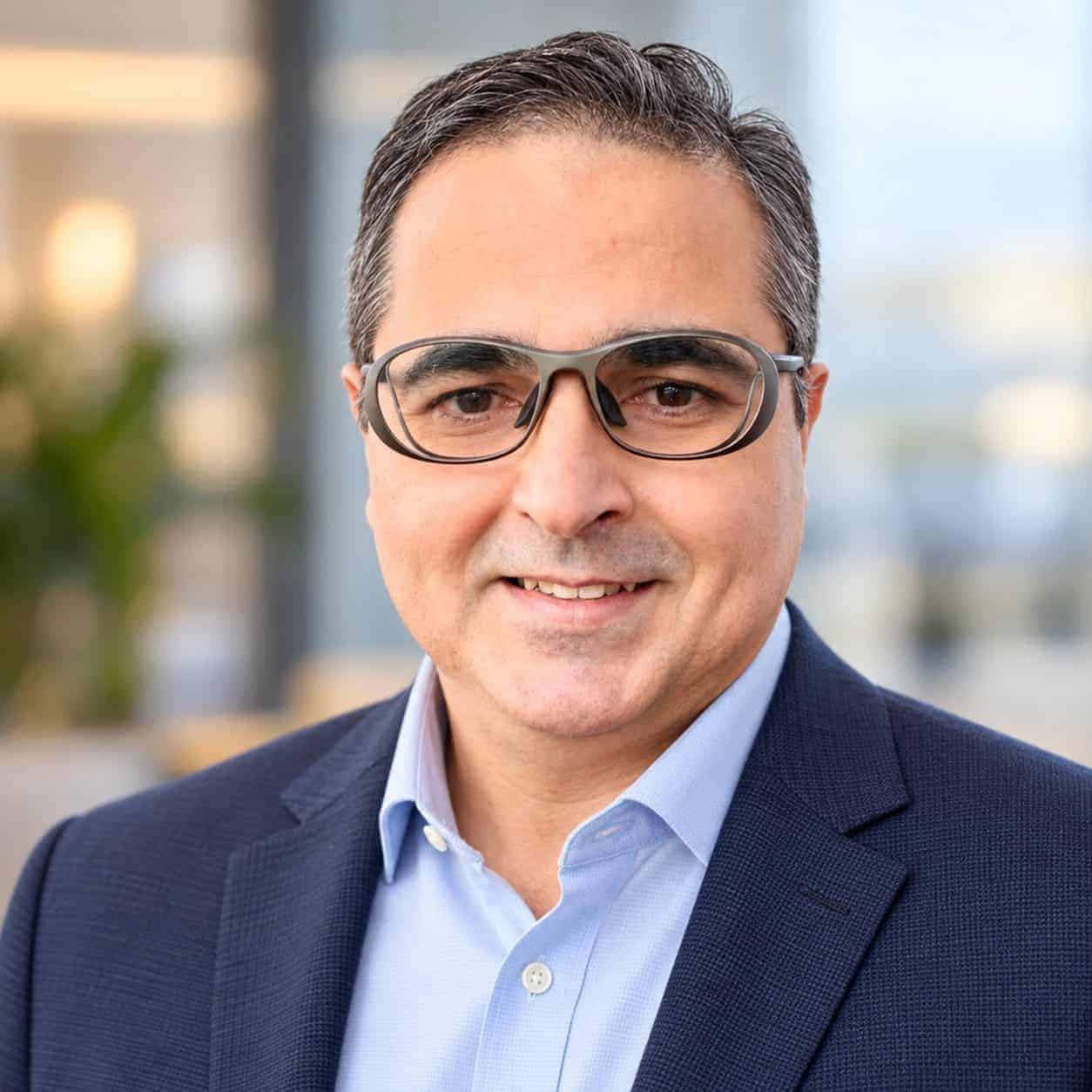
Dr. Mahdi Ikhlayel, PhD, Sustainability Science
Sustainability Director Sustainability Systems ArchitectDr. Mahdi Ikhlayel is DEISO’s Sustainability Director in Japan, and the lead expert consultant and trainer behind DEISO’s greenhouse gas accounting, life cycle assessment, and sustainability training programs.
He holds a PhD, Sustainability Science from the University of Tokyo and combines academic research with industry consulting experience in environmental sustainability, life cycle assessment, and environmental systems analysis.
With more than 13 years of professional experience, he has worked across academia and industry, including research roles at Tohoku University and Ritsumeikan University in Japan, and consulting roles in the United States.
He is the architect of this training program: 12 modules and three case studies that take participants from the first invoice to the verification opinion. It covers the calculation of Scope 1, Scope 2, and Scope 3 for all seven greenhouse gases, the standards as they stand in 2026, and the work of the lead verifier, with a formula, a worked example, and a timed exercise for every method.
He also leads DEISO’s life cycle assessment training, taught with SimaPro, openLCA, and LCA for Experts (GaBi), and its training on environmental product declarations. Life cycle assessment is the method behind the upstream and downstream emission factors that Scope 3 relies on, so the two subjects are taught from one base.
He also contributes to the scientific community as a peer reviewer for international journals including Journal of Cleaner Production, Resources, Conservation & Recycling, and Waste Management.
- PhD, Sustainability Science — the University of Tokyo
- Sustainability Director and Sustainability Systems Architect — DEISO, Japan
- Program architect — this GHG program: 12 modules, 25 exercises and three case studies
- Lead instructor — GHG accounting and verification, life cycle assessment, and environmental product declarations
- 13+ years in sustainability and life cycle consulting
- Former researcher — Tohoku University and Ritsumeikan University
- International consulting — Japan and the United States
- Peer reviewer — leading environmental science journals